
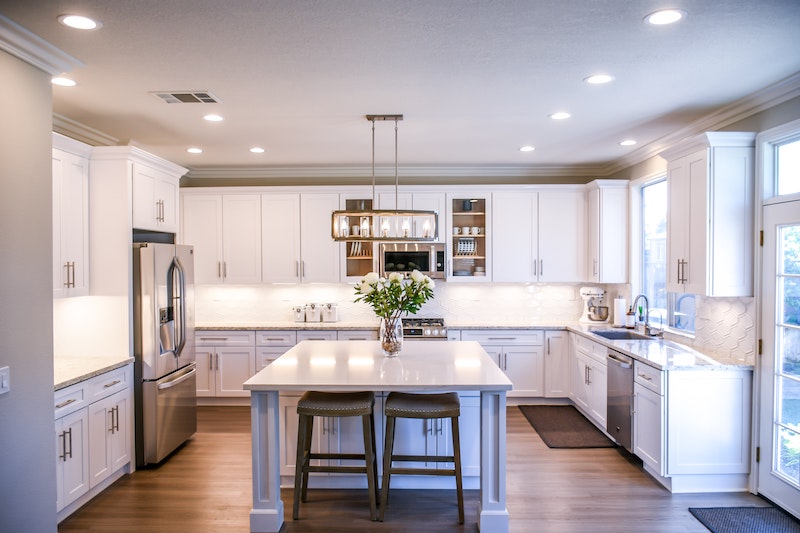
Adding Value To Your Home With a Kitchen Renovation
The kitchen is the heart of the home. Generally speaking, it’s where we spend a large part of the day. In 2017, 40% of kitchen remodelers did so because they were financially ready. It’s not cheap. However, it will hopefully add value to the home, and your efforts will be worth it.
Why does the kitchen matter?
69% of home buyers consider the kitchen one of the most critical factors. A kitchen upgrade will add value to your property and smooth the house selling process. Even if you have no plans to sell, a well-designed, updated kitchen will add charm to your home.
Designing your kitchen yourself allows you to plan it for optimum convenience. Whether your old kitchen was too small or had an impractical layout, a new kitchen will improve your lifestyle.
How much does a kitchen remodel cost?
Depending on how extensive the renovation and the new style, remodeling your kitchen could cost anywhere between £5,000 to £100,000 or $7,000 and $140,000. Basic remodelling might cost more in the region of £28,000 or $40,000. To cut costs, consider opting for more affordable materials, skip the technology extras, and do as much of it yourself as possible.
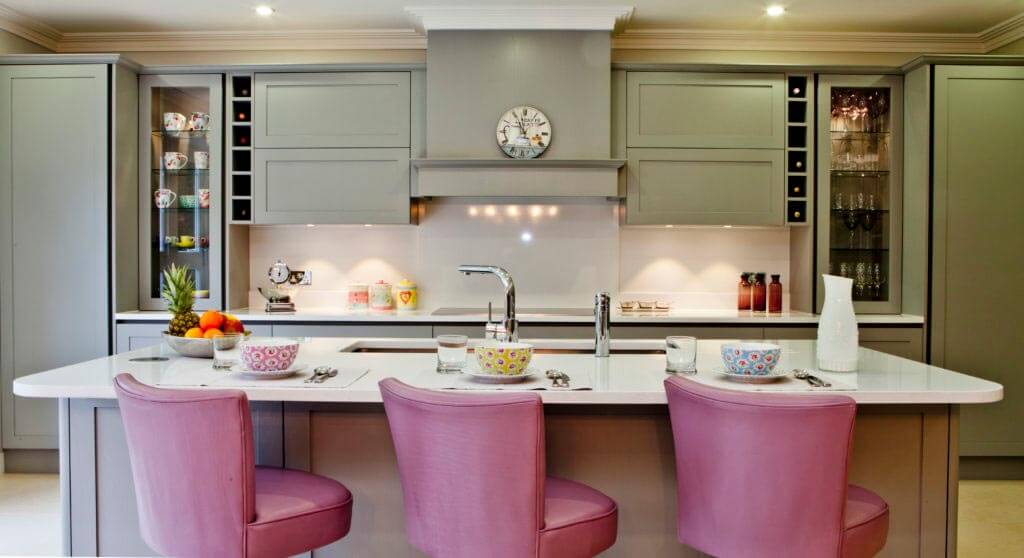
Could brightly coloured kitchens be easier to sell?
5 tips to add value to your kitchen
Investing time and money could add plenty of value to your kitchen. As well as making it a more excellent place to live, it will help your property fly off the market if you choose to sell.
1. Add an island
Adding an island will instantly increase value. Kitchen islands became popular in the early 2000s, and they’re continuing to prove their use. They provide an extra work surface and provide a storage boost. Ideally, you need around a meter on either side of the island to allow people to move around. The size of your island depends on the proportions of the kitchen.
2. Improve storage
Sufficient storage is one of the most vital aspects of a kitchen. Maximizing storage space by installing cupboards from floor to ceiling if you're remodeling. Also, place units above the work surface as well as beneath.
3. Upgrade your worktop
Kitchen work surfaces suffer a lot of wear and tear. Therefore, it's worth spending time and money upgrading your work surfaces to a hard-wearing surface, such as laminate, granite, quartz, or epoxy flooring. It's also one of the first things visitors see when entering your kitchen.
4. Choose colour wisely
When you renovate your kitchen, think carefully about your colour scheme. While you might like bright colours, it might put off potential buyers. Neutral colours, such as white, grey, and beige, are subtle and unlikely to date. If you want to add a splash of colour, purchase bright appliances or stall covers that are easy and inexpensive to replace.
5. Adjust the lighting scheme
Light opens up a room, making it appear more spacious and welcoming. Choosing good lighting and complimentary light fixtures will help bring the whole room together. Consider under-unit lighting to light up your workspace. Think carefully about where you install pendants. Once the light fixture is in place, it’s expensive to move.
What about an outdoor kitchen?
Outdoor kitchens are excellent ways to add value to your home. There’s nothing anyone likes better than sitting in the backyard with a cookout in the summer months. With an outdoor kitchen, you’ll put your house value in line with some of the most in-demand properties on the market.
An outdoor kitchen is an extensive renovation and could cost a lot. For instance, you will need to sort out outdoor plumbing and gas fixtures.
Summing up
In most instances, you can rely on updating your kitchen to improve your home's value. The majority of buyers are willing to pay higher prices for quality finishes. Considering the kitchen is one of the home's most important spaces, it's one of the most vital upgrades to improve its value.
While it might be an expensive renovation, the return is well worth it. Moreover, you can easily remodel your kitchen on a budget. An upgraded kitchen will help your property stand out to prospective buyers, helping you sell at a higher price more quickly. Even if you don’t plan to sell, renovations will improve your quality of life.
